

Get Your Free Guide: Halal Home Financing Made Simple
No confusion. No jargon. Real explanations you can Understand.
Discover how Islamic home financing works, compare options, and avoid costly mistakes.
Watch this short video…
In under 3 minutes you’ll see how the guide helps you.
Fill in your details below to download your free guide. We’ll also send you an invitation to a 10‑minute Halal HomeFit Session to answer your questions. We respect your privacy and will only use your information to send you the guide and follow up if you need help.
Free Islamic Home Finance Guide — Simplify Your Home Buying Journey

Understand how Islamic and conventional mortgages differ.
Learn how Murabaha, Musharaka, and Ijara work in plain language.
Avoid common financing mistakes.
Follow a step-by-step roadmap to halal homeownership.
Get My Free Guide & HomeFit Session Invite
Who We Are
Meet Your Guides on Halal Home Finance
Trusted guidance. Clear answers. Halal home financing explained simply.
Jonathan Matich
Branch Manager
NMLS 75328
Jonathan brings more than two decades of mortgage expertise as a branch manager of Premier Mortgage Resources. He leads the team with a focus on smooth, personal experiences—whether it’s your first home purchase or a refinance. Folks trust him because he genuinely cares and knows the ins and outs of mortgages. A natural partner for your home financing journey.

Adeel Qureshi *
Realtor/Broker
Adeel Qureshi is a lifelong Washington resident and a seasoned Real Estate Advisor at Skyline Properties Inc. in Bothell, WA. With over 17 years of experience, he leverages his strong business background and deep local knowledge of the King and Snohomish counties market to assist clients in a range of transactions, from first-time purchases to luxury sales. Beyond his professional life, Adeel is a devoted Muslim heavily involved in the local Muslim community, bringing a commitment to integrity, service, and community support to every interaction. He is highly rated for his negotiation skills, local expertise, and dedication to exceptional client outcomes.
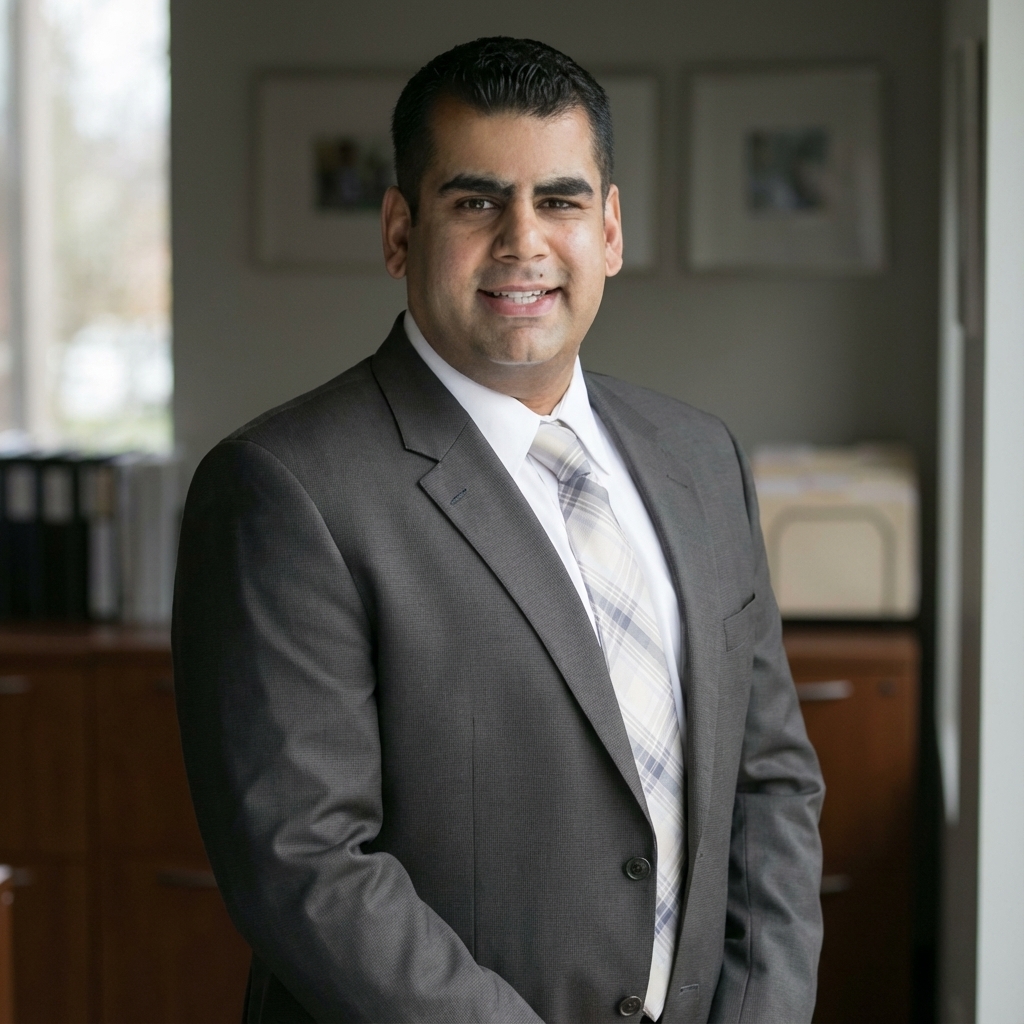
Yasir Mojadidi
Loan Officer Assistant
Dedicated professional with 13+ years of experience serving Afghan and Muslim communities across multiple sectors. Extensive background in interpretation, translation, refugee assistance, and relocation support. Over the past three years, I have focused on helping Afghan and Muslim families achieve homeownership—guiding them through the loan process and making the path to owning a home clear, accessible, and stress-free.
Languages: English, Pashto, Dari, Farsi, Urdu

TESTIMONIALS
What others
are saying ...

— Ahmed & Aisha K
We always love working with Jonathan. He’s consistently available, quick to answer questions, and someone we genuinely trust. He makes the entire process feel easy. His honesty, responsiveness, and deep expertise are exactly why we continue to work with him every time.


— Yusuf A
I’ve worked with Jonathan on several mortgages over the years, and he’s always been knowledgeable, honest, and easy to work with. This most recent out-of-state purchase could have been stressful, but Jonathan was a calm, steady presence throughout the process. I’m truly grateful to him and his team.

— Omar & Fatima H
I would absolutely recommend Jonathan and his team to others. They were professional, knowledgeable, kind, and incredibly patient throughout the entire process. I know I can be impatient at times, and they handled everything with grace. Five stars all around.
STILL NOT SURE?
Got Questions? We’ve Got Answers
What is a “residential” home loan?
A residential home loan is for a property with 1–4 units meant for personal or family use.
Are 5+ unit buildings included?
No. Five or more units are commercial, and this FAQ does not cover that.
Why do some Muslims avoid regular mortgages?
Because Islam forbids interest (Riba) and also avoids unfair deals where one side takes most of the risk.
What is an “interest/Riba-free mortgage?
It’s a way to buy a home without charging interest on money. Instead, it uses a different structure like rent-to-own or co-ownership.
Is this only for Muslims?
No. These programs can be offered to any qualified buyer.
What does “Ijara” mean?
“Ijara” means rent. For home buying, it means rent-to-own.
What is “Ijara-wa-Iqtina?
It means rent with ownership (rent-to-own).
How is Ijara different from a normal mortgage?
> Normal mortgage: you borrow money and pay it back with interest.
> Ijara: a Trust owns the home and leases it to you.
Who owns the home during Ijara?
A Trust (which you are the beneficiary of) holds the title (ownership) during the lease period.
What do I pay each month in Ijara?
You pay monthly rent to the Trust. Part of what you pay helps you move toward ownership over time.
How long can the lease be?
Common terms are 10, 15, 20, or 30 years.
Do I have to buy the home at the end?
You are allowed to buy, but you are not forced to buy.
What happens at the end of the lease?
The title can transfer to you for $1.00 at the end of the lease.
Am I a tenant or homeowner in Ijara?
Legally you are a tenant, but you act like a homeowner: - you handle maintenance - you can remodel, decorate, landscape - you can sell the home or refinance anytime.
Is Ijara legal in the U.S.?
Yes. The structure can follow U.S. consumer lending and disclosure rules.
What is Musharaka?
Musharaka means sharing. It’s a co-ownership partnership where your ownership grows over time.
How does Musharaka work (simple)?
> You and an investment company buy the home together
> You pay monthly amounts that include rent plus buying more ownership
> Over time, the company’s share goes down and yours goes up
Do I receive all the profit when I sell?
Musharaka is a co-ownership where you share in the profit and loss of the property, so you would share 50% of the profit with the lender.
What is Murabaha?
Murabaha is an installment sale: - the financier buys the home - sells it to you at a marked-up price - you pay that price over time.
Why can Murabaha cost more for real estate?
Because it may create two transfers of title, which can mean transfer taxes more than once.
Can I pay it off early to save money?
In many Murabaha contracts, you still owe the full agreed price even if you pay early.
What properties qualify?
Residential properties with 1–4 units.
Can I buy an owner-occupied home?
Yes
How much down payment is needed for owner-occupied?
Sometimes as low as 3% depending on the program and situation.
Can rural or military programs be 0% down?
Yes, with the right qualifying documents.
Can I buy investment property (still 1–4 units)?
Yes. Often 20–25% down and may require cash reserves (like 6–12 months).
How many investment properties are allowed?
Some programs allow up to 10. Some portfolio programs may allow more.
Can the home be under construction or renovation?
Sometimes yes.
What loan sizes are available?
Loan sizes are available up to the limits set by Fannie Mae/FHA/VA/USDA for each particular zip code.
What is the down payment called in Ijara?
It is often called an “initial payment” instead of “down payment.
What is the minimum down payment in some Ijara programs?
0% down is available for VA/USDA loans.
Is 0% down possible for other programs?
Sometimes, in special cases using down payment assistance programs.
What happens if I put less than 20% down?
You will be required to obtain mortgage insurance which will be removed once you reach 78% loan to value.
Is “rent” just another word for “interest”?
No. - Rent = payment to use a home - Interest = payment to use money
How is rent decided in Ijara?
It should be mutually agreed.
Can “profit” be shown as a percentage?
Yes. It can help with clear disclosures and comparisons.
Do I pay taxes and insurance monthly?
Yes most of the time. The Trust may pay them and include them in your monthly payment.
What if the state requires interest on escrow accounts?
If required by law, the interest may be paid. Many scholars say to donate it to charity.
Can I sell the home before the lease ends?
Yes.
If I sell for a profit, who keeps the profit?
In the Ijara structure, the customer keeps 100% of the profit. Musharaka you share 50/50 of the profits. Murabaha you receive 100% of the profit after you pay the lenders profit off first.
If I sell for a loss, who takes the loss?
In some structures you will be responsible for the entire loss if an agreement can’t be worked out. In others you will share 50/50 in the loss.
What happens when I sell?
A simple flow can be: 1) Trust transfers title to customer 2) Customer sells to new buyer 3) Buyer pays customer 4) Customer settles the remaining amount with the Trust.
Do these programs use standard PMI?
Yes, but some use alternatives instead of standard PMI.
Why do providers still need PMI protection?
Because investors need to reduce risk, especially when down payments are small.
What happens if I pay late?
You may pay the real cost of collections. Any extra is often donated to charity.
What is ACH?
ACH is an electronic payment from a U.S. checking account.
Are monthly payments auto-drafted?
Often yes.
Are there monthly fees?
Some programs include an admin fee (example: $20/month).
Can this replace a current mortgage?
Yes, in many cases if qualified.
Is “replacement” the same as refinancing?
Not always. A replacement can involve moving the title into a Trust.
Who contacts my current bank?
What documents do W-2 workers need?
> Last 2 years W-2s and federal tax returns
> Last 2 months pay stubs
> Last 2 months bank statements
> Copy of ID and work authorization
> Purchase agreement (if available)
What extra documents do self-employed borrowers need?
All of the above, plus:
> Last 2 years business + personal tax returns
> Last 2 months business bank statements
> CPA letter.
Do I need every page of bank statements?
Yes. Include all pages, even blank ones.
Should I scan or fax?
Scan is better. Faxing IDs can be hard to read.
If I mail documents, any rules?
Yes: - Do not staple - Use single-sided copies
What is a Trust?
A Trust is a legal “container” that can own property.
Why use a Trust?
It helps: - hold title safely - make rent-to-own structures work - avoid certain title problems
Does a Trust help with privacy?
Sometimes, yes.
Does a Trust help with liens?
Sometimes, yes, because the Trust owns the home.
How do I know it’s Sharia-compliant?
Look for: - qualified Sharia scholars - a written approval (fatwa) - names and credentials you can verify
What should be on a valid fatwa copy?
Names, signatures, and the scholars’ qualifications.
Can my lawyer review the contract?
Yes. Some providers require an NDA first.
Isn’t this the same as interest?
No. The structure is different: - interest is on money - rent is for use of a home
Is it just relabeling interest as rent?
Not if the structure is truly: - rent-to-own (Ijara) - co-ownership (Musharaka) - installment sale (Murabaha)
Why do the forms look similar to a regular mortgage?
Because U.S. laws require clear disclosures so buyers can compare costs.
What are the basic steps?
1. You pick the home
2. You pay the initial payment
3. A Trust holds title
4. You pay monthly rent
5. Taxes/insurance will usually be included
6. Title transfers to you at the end
Corporate Office:
3363 E Presidential Dr #200 Meridian, ID 83642
Main: (877) 77 IJARA

Complaints? Email us at [email protected] or call us at (208) 629-0606 Credit on approval. Terms subject to change without notice. Not a commitment to lend.
© Copyright Premier Mortgage 2026. All rights reserved.
© Copyright 2026 Premier Mortgage Resources, LLC (“PMR”) | NMLS # 1169 www.nmlsconsumeraccess.org | Equal Housing Opportunity | PMR is not an affiliated or an agency of the federal government. All information contained herein is for informational purpose only and, while every effort has been made to ensure accuracy, no guarantee is expressed or implied. Any programs shown do not demonstrate all options or pricing structures, rates, terms, programs, and underwriting policies are subject to change without notice. This is not an offer to extend credit or a commitment to lend. All loans are subject to underwriting approval. Some products may not be available in all states and restrictions apply. AZ-BK #0937529; CA – Licensed by the Department of Financial Protection and Innovation, under the California Residential Mortgage Lending Act; WA-CL 1169. PMR and Skyline Properties are not affiliated. PMR participates as a mortgage broker for the Halal Financing program through CMG Financial.